

Lansing Landscape Services
Sign up now for spring service and watch your outdoor dreams come to life!
Get a Free QuoteLandscape Services Tailored for Lansing, IL
Expert Lawn Care for Lansing’s Unique Environment
Lansing, IL experiences a diverse range of weather conditions that directly impact residential lawn care. Winters often bring heavy snowfall and icy roads, leading to salt exposure that can damage grass and soil along driveways and sidewalks. In the summer, periods of drought stress lawns, especially in neighborhoods like Oakwood Estates and near the shaded lots surrounding Lan-Oak Park, where mature trees create dense canopies. Additionally, the area’s gently rolling terrain, particularly near the Little Calumet River, can contribute to soil erosion and drainage challenges for homeowners. Our services are designed to address these local concerns, ensuring your lawn stays healthy and vibrant year-round. For more information about Lansing’s community and local resources, visit the Village of Lansing Official Website.
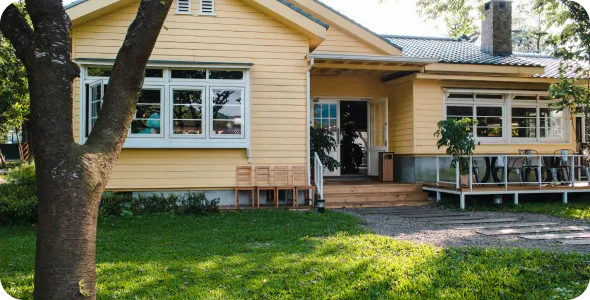
Our Lansing Landscaping & Yard Care Services
Lansing Gardening Services
Lansing Yard Clean Up
Why Choose Lansing Landscape Services


Lansing Homeowners Trust Us
-
Expert Lawn Maintenance
-
Competitive Pricing
-
Professional Team
-
Satisfaction Guarantee
-
Personalized Service
-
Reliable Scheduling
Contact Your Local Lansing Public Works or Parks Department for Green Waste Info
Lansing residents benefit from a robust municipal green waste management program designed to protect the Lake Michigan watershed and comply with state environmental regulations. Seasonal yard waste collection typically runs from April through November, with materials such as grass clippings, leaves, and small branches accepted in paper yard waste bags or rigid containers—plastic bags are not permitted. Residents may also utilize the local yard waste drop-off site, which operates during posted hours and may require a resident sticker or permit for access. Brush bundles must be tied with twine and generally limited to 4 feet in length. Free mulch and compost are often available for residents through community composting initiatives, while commercial landscapers must adhere to disposal requirements and may be subject to fees. It is strictly prohibited to dispose of lawn waste in streets, alleys, or storm drains, as this can lead to water quality violations under the Illinois Environmental Protection Act (415 ILCS 5), impacting local waterways and the Lake Michigan watershed.
Lansing Public Works Department
3141 Ridge Road, Lansing, IL 60438
Phone: (708) 895-7190
Official Website: Lansing Public Works Department
Lansing Parks and Recreation
3141 Ridge Road, Lansing, IL 60438
Phone: (708) 474-7655
Official Website: Lansing Parks and Recreation
Lawn Care Regulations & Permits in Lansing, IL
Lawn care in Lansing is governed by a comprehensive regulatory framework that ensures environmental protection and public safety. The Illinois Fertilizer Act (505 ILCS 80) restricts phosphorus use on established lawns unless a soil test indicates deficiency or for new lawn establishment, and mandates buffer zones near water bodies. Pesticide applications require commercial applicator licensing through the Illinois Department of Agriculture - Pesticide Regulations, with notification and posting requirements under the Illinois Pesticide Act (415 ILCS 60). Outdoor watering is regulated by local ordinances, often following odd/even address schedules and restricting use to early morning or evening hours to reduce evaporation. Noise ordinances limit equipment operation to 7:00 AM–9:00 PM on weekdays, 8:00 AM–9:00 PM on Saturdays, and may restrict Sunday and holiday use. Commercial lawn care providers must register with the Village, maintain liability insurance, and ensure worker certifications and vehicle registrations are current.
Lansing Community Development Department
3141 Ridge Road, Lansing, IL 60438
Phone: (708) 895-7193
Official Website: Lansing Planning and Development Department
Lansing Water and Sewer Department
3141 Ridge Road, Lansing, IL 60438
Phone: (708) 895-7150
Official Website: Lansing Water and Sewer Department
What Neighborhoods Do We Serve in Lansing, IL?
Lansing’s diverse neighborhoods each present unique lawn care challenges and opportunities. The Oakwood Estates and Schultz Park areas feature mature tree canopies and older homes, with heavy clay Drummer and Flanagan soils that require regular aeration and careful drainage management. The Lansing Country Club and Ridgewood neighborhoods, near forest preserve lands, face additional regulatory considerations for buffer zones and native plant integration. Newer developments like Lansing Woods and Deer Creek Estates often have shallow topsoil over compacted clay, necessitating soil amendments and drought-tolerant turf species. Downtown Lansing and the Historic Ridge Road District require adherence to historic district guidelines and often have smaller lots with high utility density. The Bernice Road corridor and North Lansing neighborhoods experience microclimate variations due to proximity to major roads and commuter traffic, increasing salt and wear stress. Across all areas, predominant turfgrasses include Kentucky bluegrass, perennial ryegrass, and turf-type tall fescue, with shade tolerance and sun exposure varying by street and lot orientation. Homeowner association rules, proximity to wetlands, and community aesthetic standards further shape service approaches.
Partnering With Lansing’s Environmental Commission for Sustainable Landscaping
Lansing’s Environmental Commission plays a vital role in guiding sustainable landscaping and environmental stewardship throughout the community. Coordination with this board ensures compliance with wetland protection requirements, buffer zone regulations, and fertilizer/pesticide restrictions in sensitive areas. Sustainable landscaping practices promoted in Lansing include:
- Organic lawn care methods and reduced-chemical approaches
- Integration of native prairie plants and grasses
- Installation of rain gardens for stormwater management
- Proper mulching and grasscycling to reduce landfill waste and provide natural nutrients
Stormwater management is a priority, with efforts to prevent nutrient runoff into the Lake Michigan watershed and protect storm sewers in accordance with Clean Water Act and Illinois EPA Water Quality & Watershed Management requirements. The Commission also collaborates with the Cook County Forest Preserve District and supports local tree planting, invasive species removal, and community education initiatives.
Lansing Boards and Commissions
3141 Ridge Road, Lansing, IL 60438
Phone: (708) 895-7200
Official Website: Lansing Boards and Commissions
Top Lansing Lawn Problems (and How We Solve Them)
Lansing lawns face several region-specific challenges due to local climate and soil conditions:
- Heavy clay soil compaction
- Alkaline soil pH (7.0–8.0+)
- Road salt damage near major roads
- Grub infestations (Japanese beetles, masked chafers)
- Fungal diseases (brown patch, dollar spot, snow mold)
- Drought and heat stress in summer
- Weed invasions (crabgrass, dandelion, nutsedge)
Science-based solutions include:
- Core aeration at least twice annually to relieve compaction
- Soil testing through University of Illinois Extension and targeted amendments (elemental sulfur for pH adjustment)
- Overseeding with turf-type tall fescue for drought and disease resistance
- Integrated pest management and use of disease-resistant grass cultivars
- Installation of French drains or subsurface drainage for wet areas
- Proper mowing, watering, and fertilization practices to promote healthy turf
- Grasscycling to return nutrients and reduce waste
What Makes Lawns in Lansing Different From the Rest of Illinois?
Lansing’s lawns are shaped by unique regional characteristics:
- Climate Zone: USDA Hardiness Zone 5a–6a, with a growing season of 180–200 days and harsh winters
- Soil Geology: Predominantly Drummer silty clay loam and similar series, with high clay content and alkaline pH (7.0–8.5)
- Microclimate Factors: Urban heat island effects, Lake Michigan’s moderating influence, and prairie winds
- Pest & Disease Pressure: High incidence of Japanese beetle and billbug grubs, increased fungal disease risk in humid summers
- Historical Patterns: Post-WWII suburban development, mature tree canopies, and a shift from pure Kentucky bluegrass to mixed-species lawns
These factors require tailored horticultural practices, including soil management, species selection, and integrated pest and disease control.
Supporting Local Events in Lansing With Lawn Expertise
Lansing’s commitment to community is reflected in its support for local events and organizations through professional lawn care and maintenance:
- Preparation of village green and town square for summer festivals and farmers markets
- Athletic field maintenance for youth sports leagues (Little League, soccer, football)
- Park beautification for public celebrations and holiday events
- Collaboration with the Parks & Recreation Department for volunteer cleanup days
- Educational partnerships with schools, garden clubs, and the public library
- Emergency response for storm cleanup and debris removal after severe weather
These efforts help maintain safe, attractive, and functional public spaces for all residents.
Eco-Friendly Landscaping Backed by Lansing’s Green Initiatives
Lansing aligns its landscaping practices with local sustainability goals and Tree City USA standards, promoting:
- Water conservation through smart irrigation controllers, rain sensors, and drought-tolerant turf blends
- Organic lawn care, compost topdressing, and biological pest control
- Pollinator-friendly landscaping with native plants to support bees and butterflies
- Equipment electrification to reduce emissions and noise
- Grasscycling to minimize landfill waste and lower the community’s carbon footprint
- Local material sourcing and participation in municipal renewable energy programs
These initiatives support Lansing’s climate action plans and foster a healthier, more resilient urban environment.
Proudly Serving These Streets and Areas in Lansing
Lawn care services in Lansing are organized to ensure comprehensive coverage across all neighborhoods and subdivisions:
- Downtown/Central: Ridge Road Historic District, Bernice Road corridor, Lansing Town Center
- North Lansing: Oakwood Estates, Ridgewood, Schultz Park, proximity to Lansing Woods and North Creek
- South Lansing: Deer Creek Estates, Lansing Country Club area, Forest Preserve access points
- East Lansing: Lansing Woods, neighborhoods near the Indiana border, proximity to Lansing Municipal Airport
- West Lansing: Oak Glen, neighborhoods along Torrence Avenue and 186th Street
- Major Landmarks: Fox Pointe, Lan-Oak Park, Lansing Public Library, Eisenhower Center, Metra South Shore station
- School Districts: Areas served by Lansing School District 158 and Thornton Fractional South High School
- Special Considerations: Historic Ridge Road guidelines, conservation easements near forest preserves, HOA requirements in newer subdivisions
This geographic approach ensures that every resident and property type receives tailored, regulation-compliant, and environmentally responsible lawn care.